
3D Printed Fidget Toys: Print Your Own Fun!
This post may contain affiliate links. As an Amazon Associate, I earn from qualifying purchases.
In a fast-paced world where stress and distractions often get the upper hand, finding ways to relax and regain focus is more important than ever. Enter the realm of 3D printing, a technology that has revolutionized how we create and customize objects in the comfort of our own homes. In this blog post, we’ll take you on a journey into the exciting world of 3D printed fidget toys.
What is 3D Printing and How Does it Work?
Before we dive into the delightful world of 3D printed fidget toys, let’s take a moment to appreciate the magic of 3D printing. This innovative technology allows you to turn digital designs into physical objects by layering material on top of itself. It’s like bringing your imagination to life, one layer at a time.
3D printing is a type of manufacturing process that allows you to create three-dimensional objects from a digital file. It works by layering materials, such as plastic or metal, on top of each other until the object is complete. This technology has become more accessible in recent years, and now anyone can print their own objects at home with a 3D printer.
If you are looking to get started with 3D printing check out our helpful guides:
Fidget Toys: More Than Just Fun
Fidget toys have gained popularity for their ability to reduce stress and anxiety while improving focus and concentration. They’re not just entertaining; they serve a practical purpose in our daily lives. Fidget toys can be useful tools for kids and adults with conditions like ADHD.
Advantages of 3D Printed Fidget Toys
Here are four advantages of 3D printed fidget toys:
- Customization:
- 3D printing allows for easy customization of fidget toys to meet individual preferences and needs.
- Users can adjust size, shape, texture, and design elements to create a personalized sensory experience.
- Endless Variety:
- 3D printing offers a wide range of designs and options for fidget toys, from traditional spinners to unique and imaginative creations.
- Users can explore a diverse selection of designs, ensuring there’s a fidget toy for everyone.
- Cost-Efficiency:
- 3D printing at home can be a cost-effective way to obtain high-quality fidget toys.
- Users can save money by printing their own toys rather than purchasing pre-made versions.
- Quick Prototyping:
- 3D printing allows for rapid prototyping and experimentation.
- Designers and inventors can quickly iterate on fidget toy designs to optimize their functionality and appeal.
Ready-to-Print 3D Designs
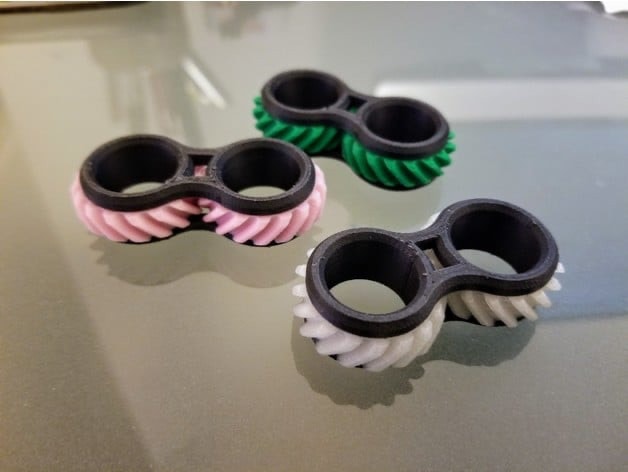
Let’s showcase some amazing 3D printed fidget toys you can print at home!



Frequently Asked Questions about Selling 3D Prints
3D printed fidget toys are small, handheld gadgets designed for fidgeting, relaxation, and stress relief. They are created through 3D printing technology, layering material to form intricate designs. These toys typically feature moving parts, buttons, or textures that can be manipulated to provide a satisfying sensory experience.
Absolutely! One of the advantages of 3D printed fidget toys is their high level of customization. With a little bit of design experience, you can easily modify the design, size, texture, and color to create a fidget toy that matches your personal preferences and needs.
Yes, you’ll need access to a 3D printer to create 3D printed fidget toys. However, you can often find online repositories where you can download pre-made designs and have them printed through a local 3D printing service.
While 3D printed fidget toys may not always match the performance of traditional metal-bearing toys, they can still provide an enjoyable and satisfying fidgeting experience. Many people find them effective in relieving stress and improving focus, and the advantage lies in their customizability and cost-effectiveness.

Kate is mom of two rambunctious boys and a self-proclaimed super nerd. With a background in neuroscience, she is passionate about sharing her love of all things STEM with her kids. She loves to find creative ways to teach kids computer science and geek out about coding and math. She has authored several books on coding for kids which can be found at Hachette UK.


